
Guides & resources
Plywood, explained.
Understand grades, compare materials and plan your next order. Practical answers for the decisions buyers make before choosing a panel.
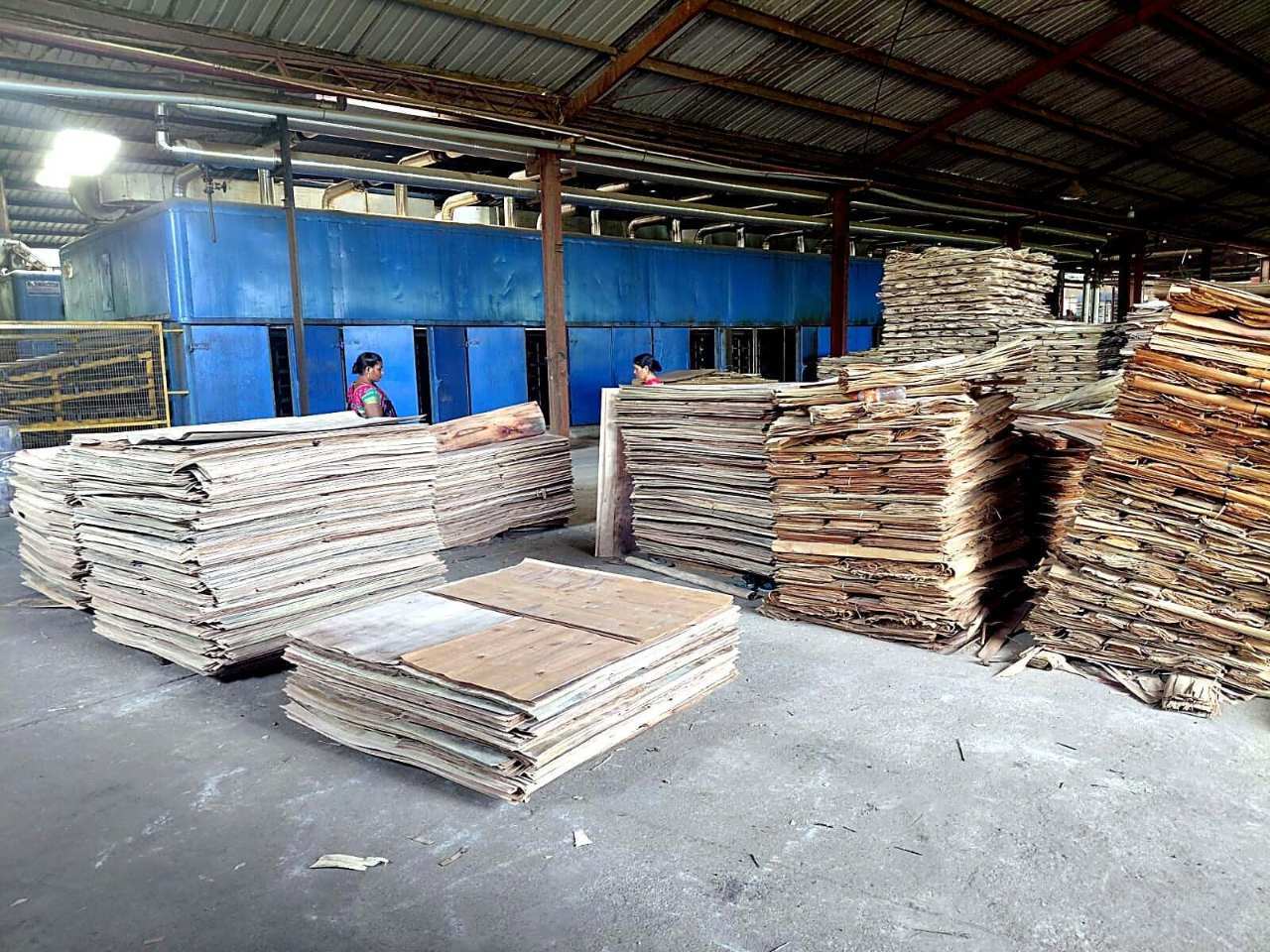
 Grades
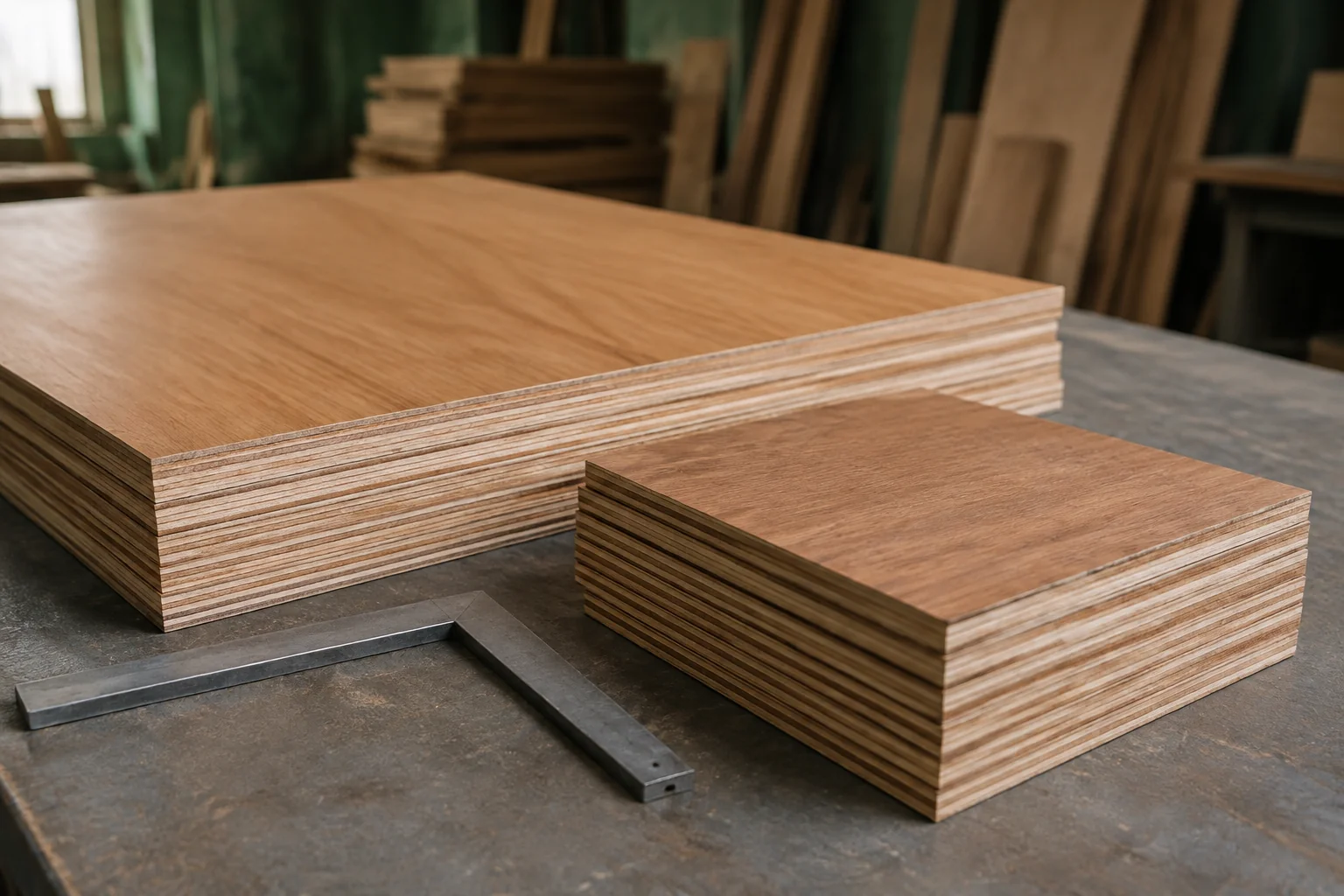
IS 710 vs IS 303
Marine vs commercial plywood — BWP, BWR and MR, and how to pick the right grade.
Read the guide →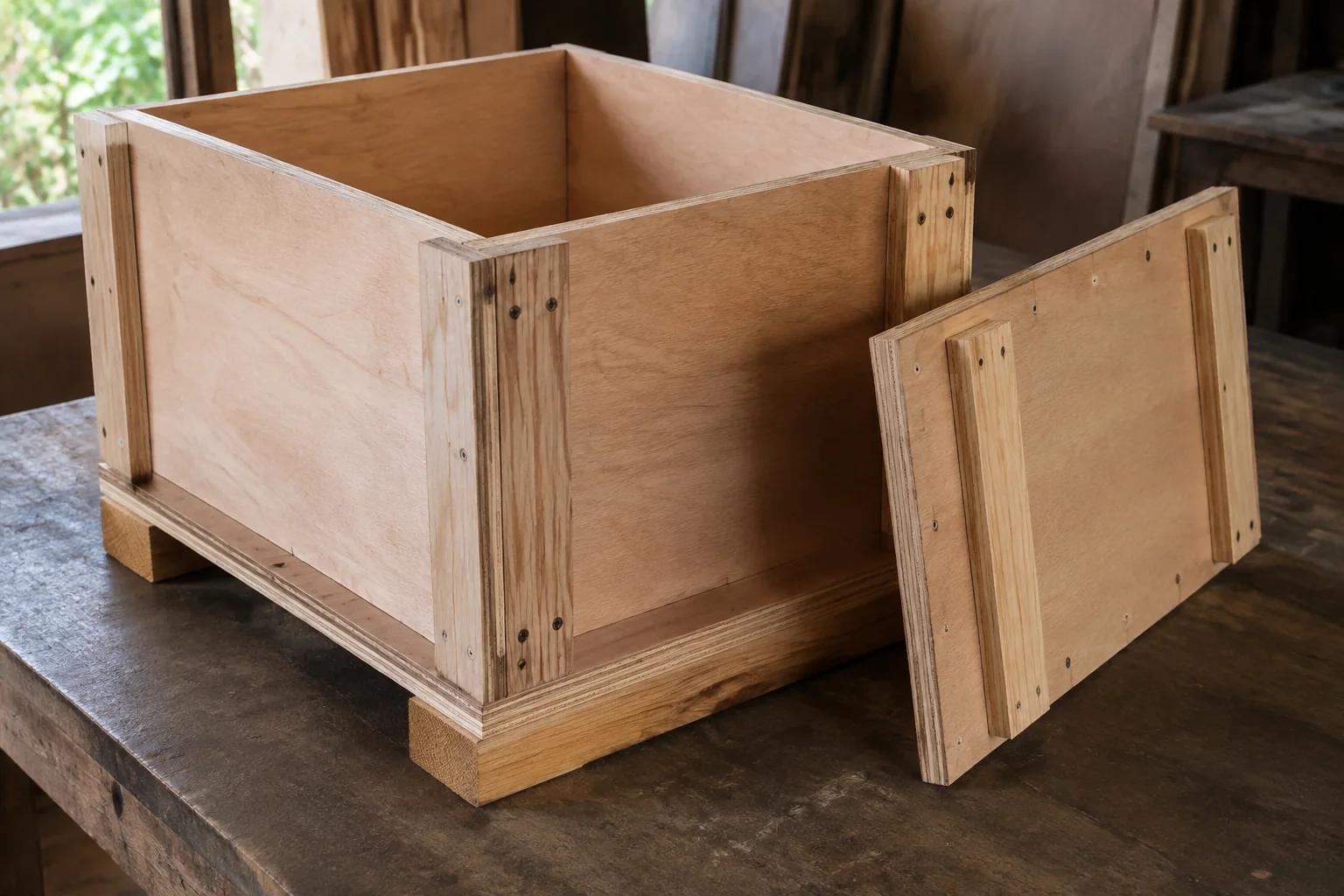 Export packaging
Do plywood boxes need ISPM-15?
No — plywood is exempt. But your solid-wood skids and blocks aren't. Here's the rule.
Read the guide →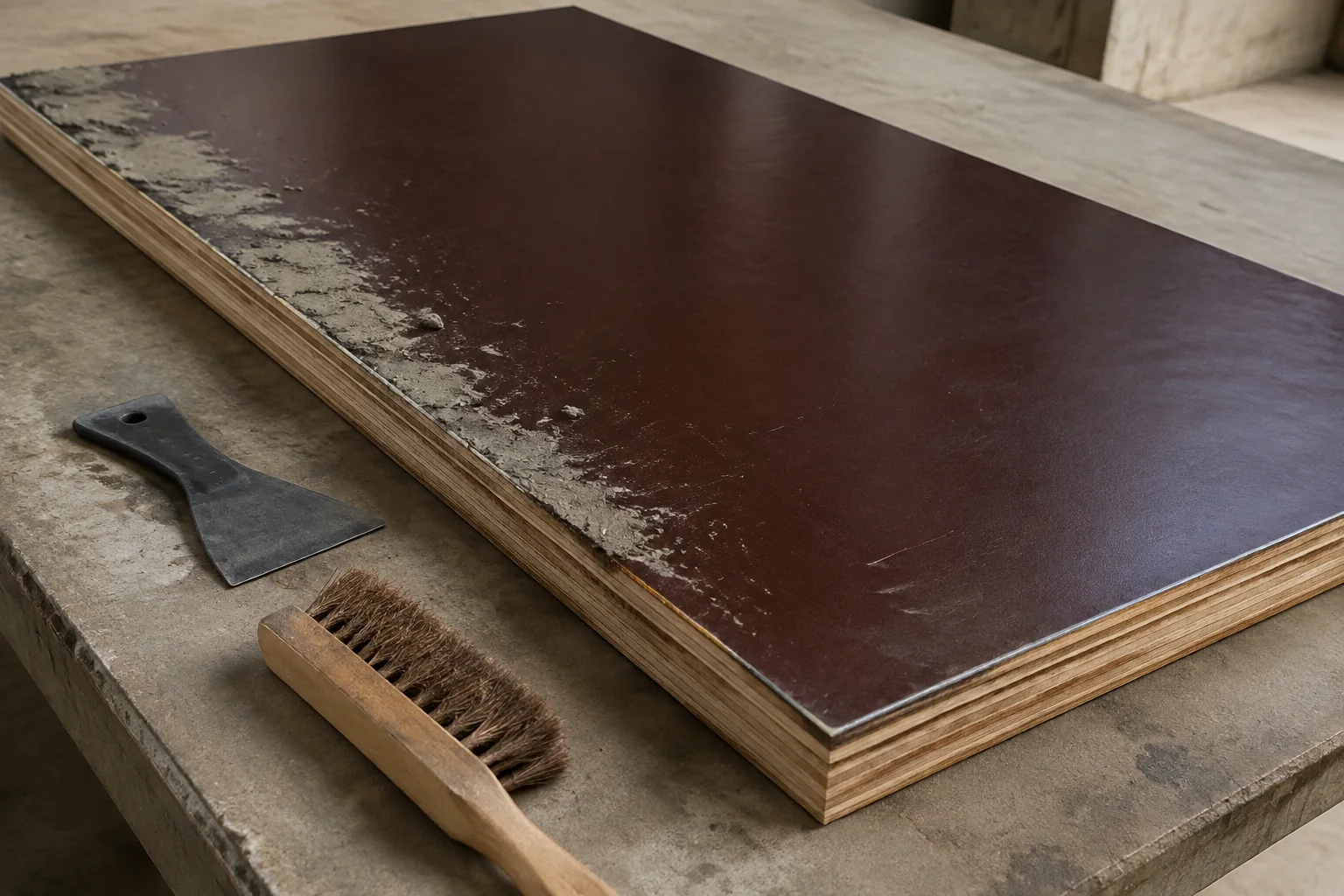 Shuttering
How many pours does shuttering ply last?
20–40+ for a good panel, under 10 for a cheap one. Why cost-per-pour is the real number.
Read the guide →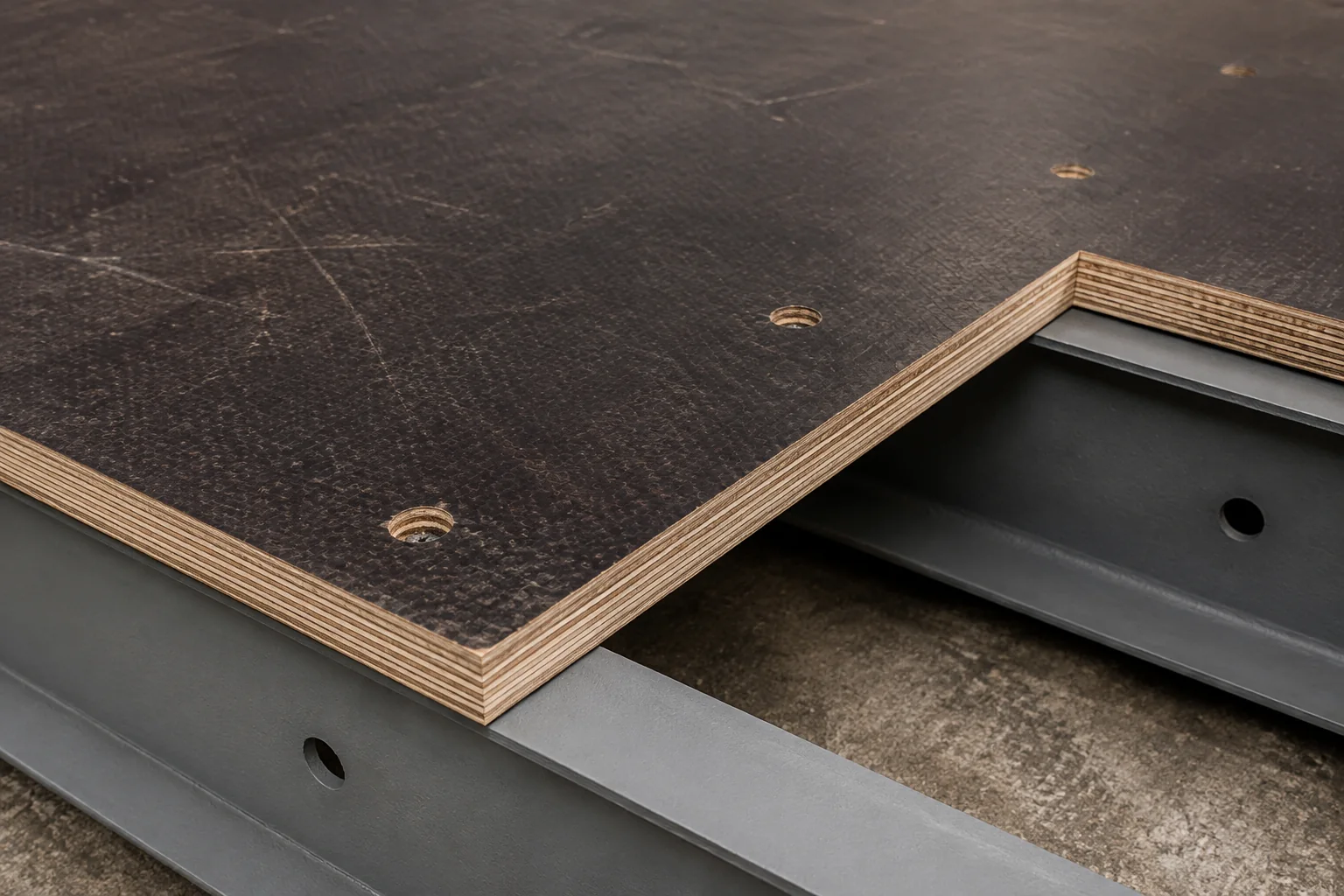 Container flooring
IICL TB-001, explained
The container-floor specification — 28 mm hardwood, strength, screw-hold and glue bond.
Read the guide →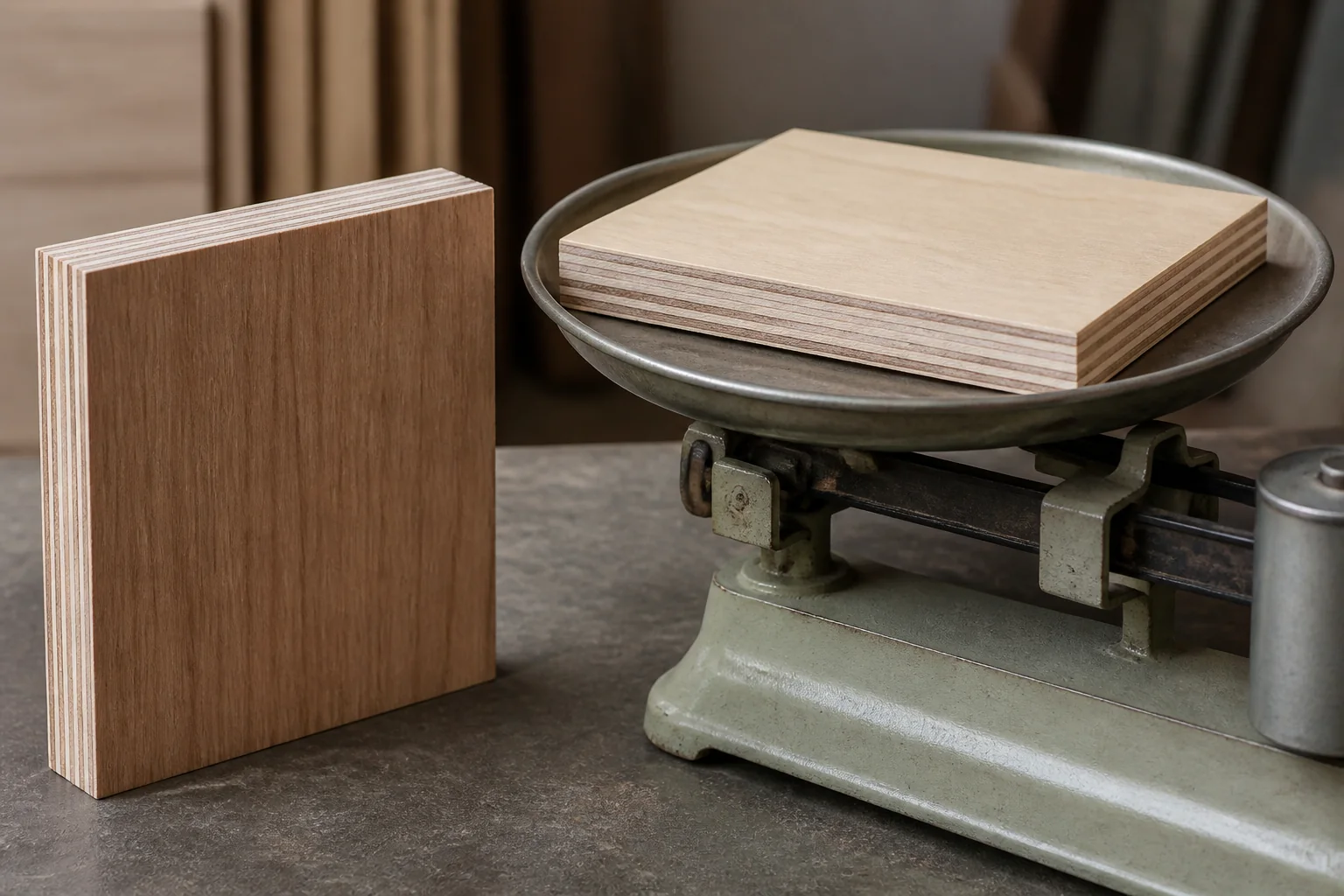 Species
Okoume vs gurjan
Light and smooth vs dense and strong — which face for packing cases, which for structure.
Read the guide →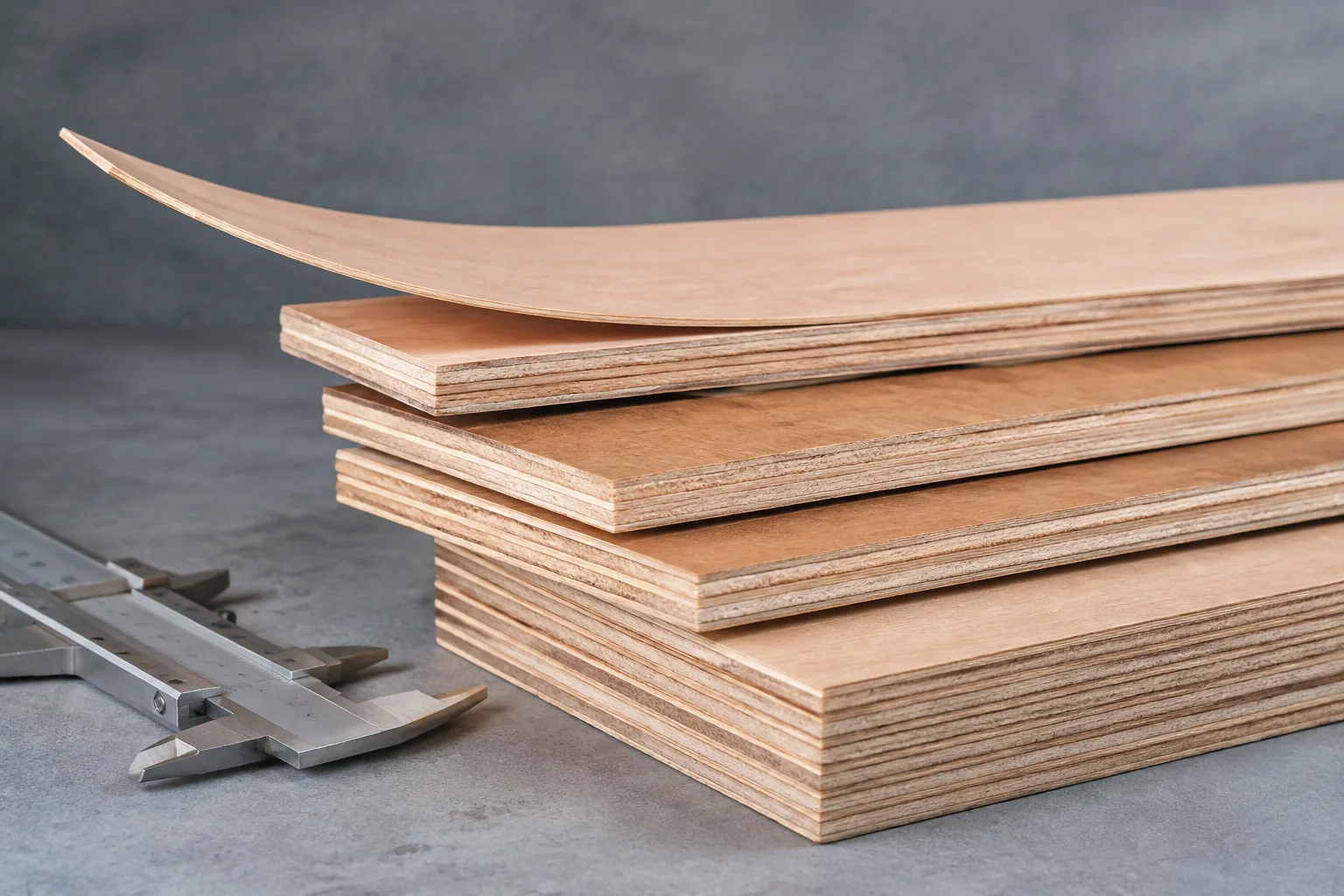 Marine
Marine plywood thickness guide
Which thickness for hull, bulkhead, deck and transom — and why grade beats millimetres.
Read the guide →A practical route through the library
Start with the decision you need to make.
Buyers rarely need every plywood article. They need the answer to one decision: which bond will survive the service, which face will give the finish they need, or what should be written into the export paperwork. Use the guide that matches that decision, then send the final requirement to the sales desk. The guide explains the choice; the written quotation confirms the construction, quantity, availability and terms.
Choosing a grade
Compare IS 710 BWP, IS 303 BWR and IS 303 MR when the panel may see water, humidity or only dry interior service. Grade describes the bond and intended service; thickness alone does not make a panel waterproof.
Compare the grades →Planning export packaging
Separate processed plywood panels from solid-wood runners, blocks and skids. The panels are treated differently under ISPM-15, and the destination, cargo and port determine what the final crate needs.
Read the ISPM-15 guide →Comparing total use
For formwork, compare expected re-use and handling discipline rather than a sheet price alone. A film-faced panel that strips clean and survives more pours can reduce the cost of each pour.
Compare cost per pour →Have these details ready before you ask for a quote.
- Application: packing case, furniture, formwork, marine joinery or another defined use.
- Construction: grade or bond, face veneer, core, finish and any certificate your customer requires.
- Panel: thickness, sheet size, cut list, quantity and the tolerance that matters at assembly.
- Delivery: city or discharge port, required date, preferred Incoterm and whether a loading plan is needed.
- Proof: samples, test reports or technical data sheets only where they apply to the selected construction.
There is no public list price on these guides because a usable offer depends on the full requirement. Quantity, sheet size, freight, taxes, availability and production timing can all change the number. Send the specification once and the team will return the applicable price in writing.
Have a spec in hand?
Skip the reading — send us the spec and destination port and we'll quote it within one business day.